Who we are
Three decades of education, health and hope
The Afghan Institute of Learning has worked alongside Afghan communities since 1995 — through war, exile and restriction — to keep classrooms open and clinics running.
Our story
It began in a refugee camp
In 1995, Dr. Sakena Yacoobi was working in Afghan refugee camps in Pakistan when women there asked her for one thing: schools for their daughters. She founded the Afghan Institute of Learning that year, and the first learning centres opened in the camps a year later.
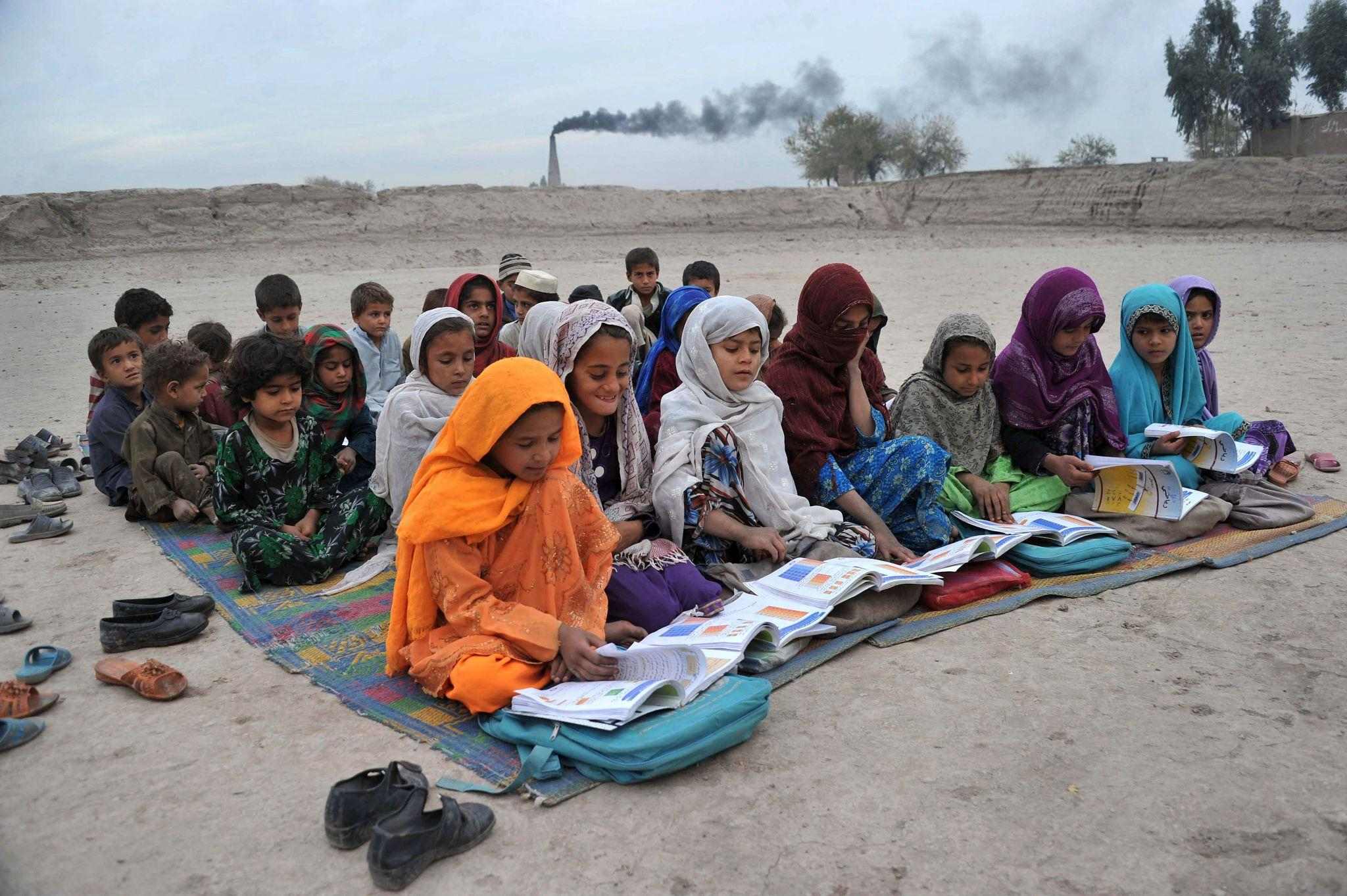
When girls’ education was banned under Taliban rule, AIL did not stop. The organisation quietly ran 80 underground home schools serving 3,000 girls — teaching in living rooms and courtyards, with teachers who risked everything to keep them open.
As families returned home, AIL followed them into Afghanistan. Learning centres and health clinics opened across the provinces, and in 2003 the organisation founded Gawhar Shad University to give Afghan women a route into higher education. By 2013 AIL was running 38 women’s learning centres and five clinics with 450 staff — seventy per cent of them Afghan women.
The method has never changed: AIL enters a community only when that community asks. Programmes are designed with the people they serve and led, in large part, by the women of that community. It is why the work has survived thirty years of upheaval.
Milestones
Thirty years, step by step
The moments that shaped how AIL works today.
Founded in exile
First learning centres
Eighty schools
Gawhar Shad University
Thirty-eight centres
A national model
Our direction
Vision, Mission & Values
A peaceful Afghanistan where everyone knows how to read and every family has access to quality healthcare.
Our Vision
together.
Our Mission
Our Values
Leadership
The people behind the work
AIL is led by Afghans, and largely by Afghan women — the same communities the programmes serve.
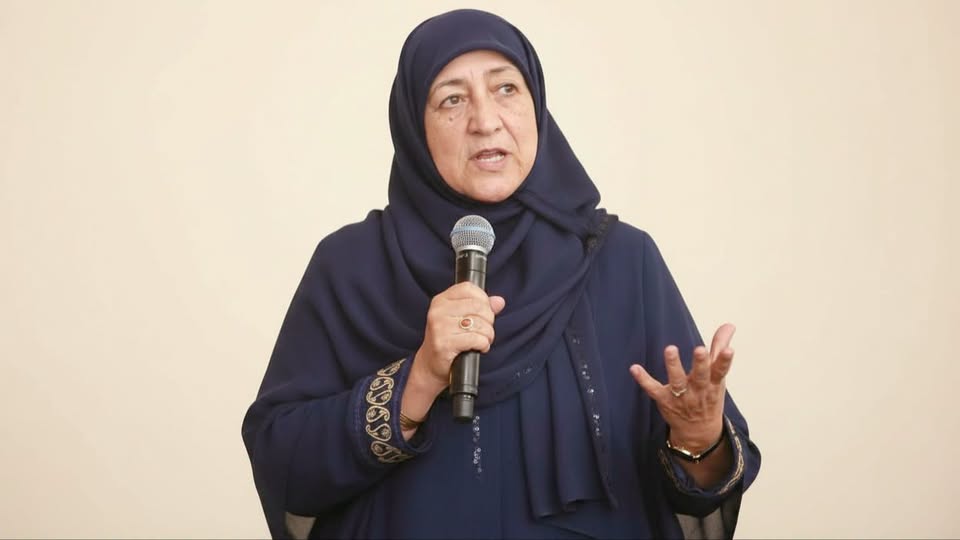
Dr. Sakena Yacoobi
Founder & Executive Director
Dr. Yacoobi holds a bachelor’s degree in biological sciences and a master’s in public health. She founded AIL in 1995 while working with Afghan refugees in Pakistan, and led the network of underground schools that kept 3,000 girls in education during the years when it was forbidden.
She has been recognised internationally for that work, and continues to lead AIL’s programmes across education, health and community leadership.
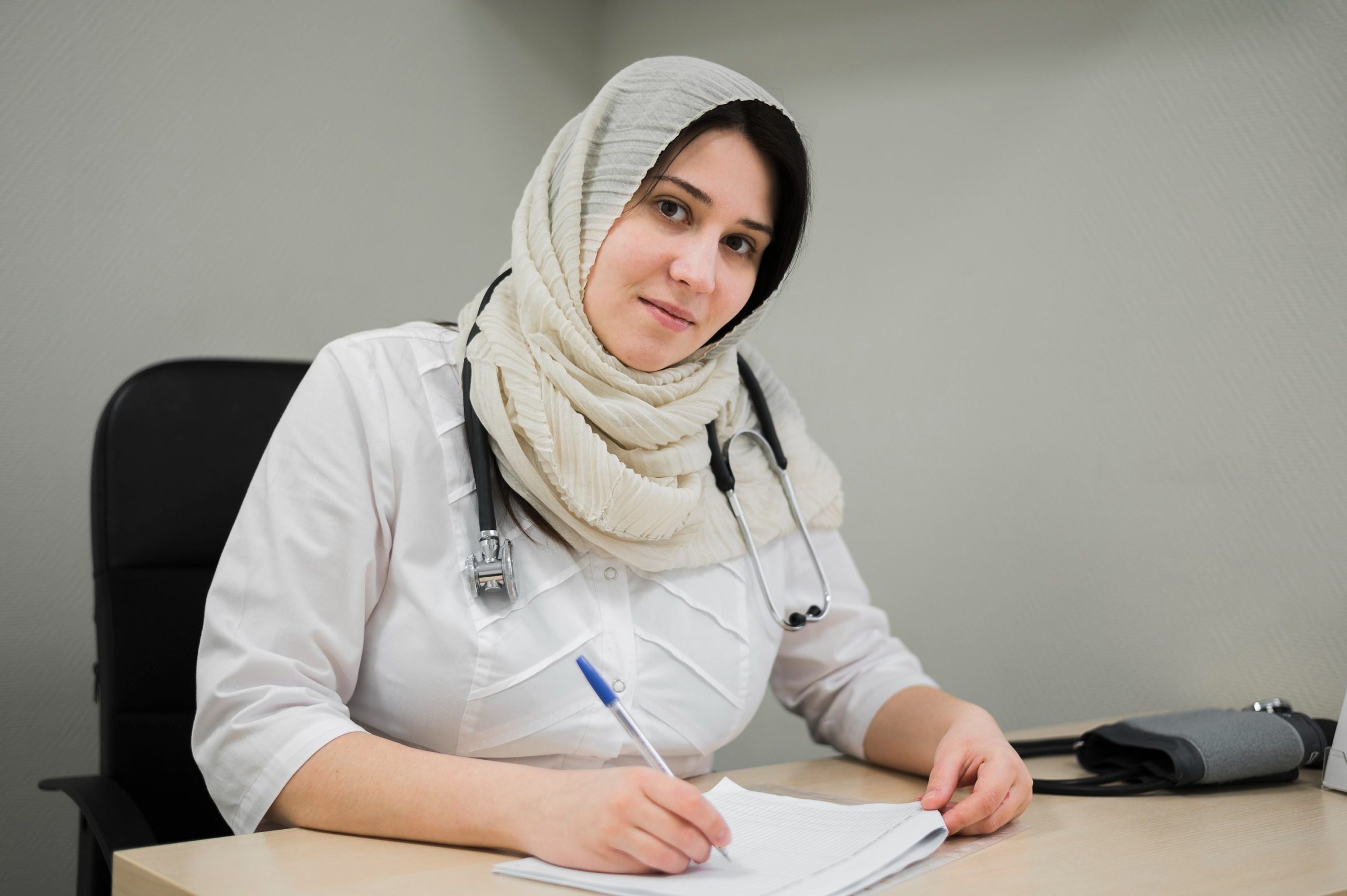
Programme Director
Oversees learning centres, teacher training and curriculum across all provinces.
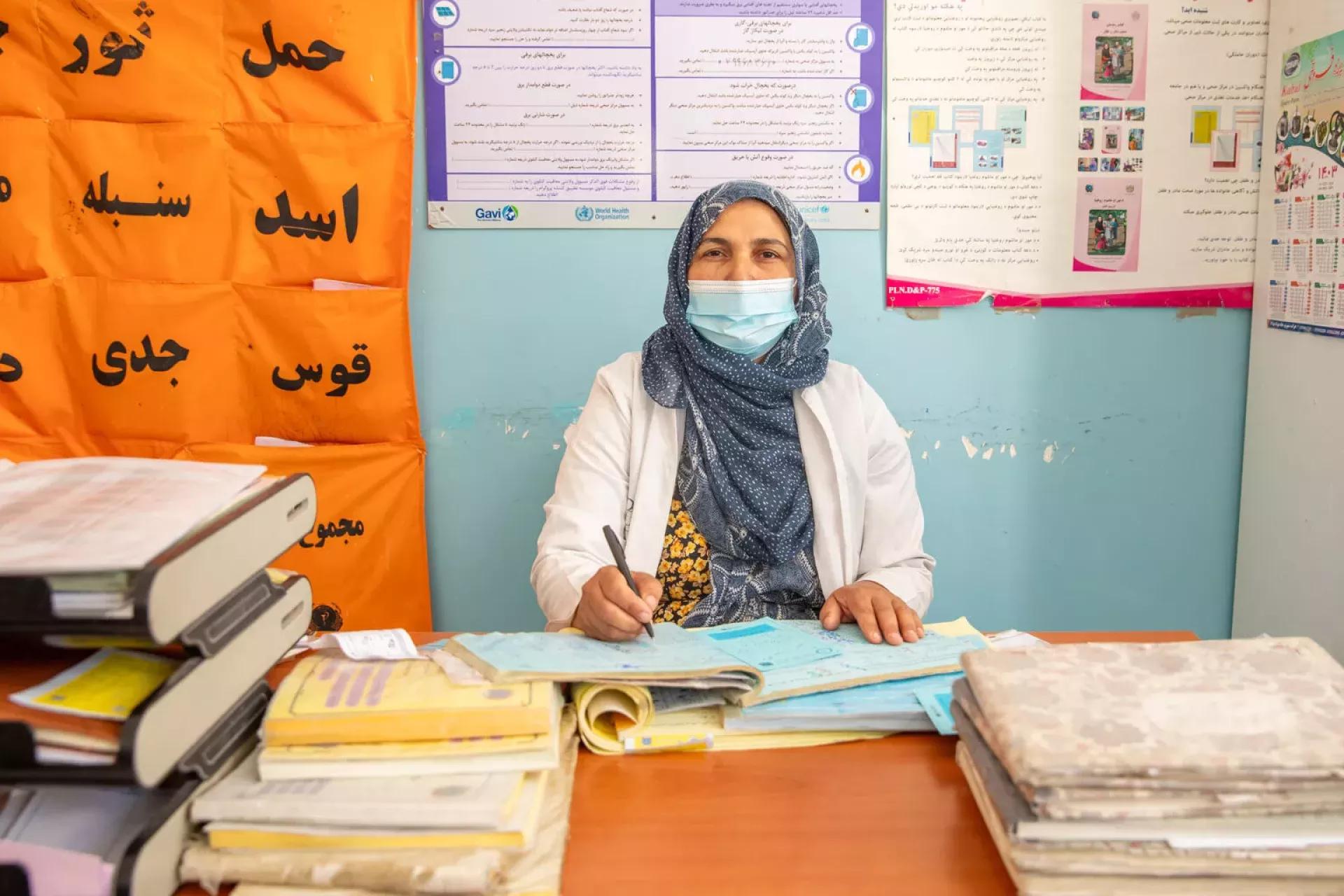
Health Director
Leads the clinics, mobile outreach teams and community health worker network.

Finance & Compliance
Manages budgets, donor reporting and the annual audit.
See the work in the field
Read the stories from our learning centres, clinics and partner communities.